
Introduction
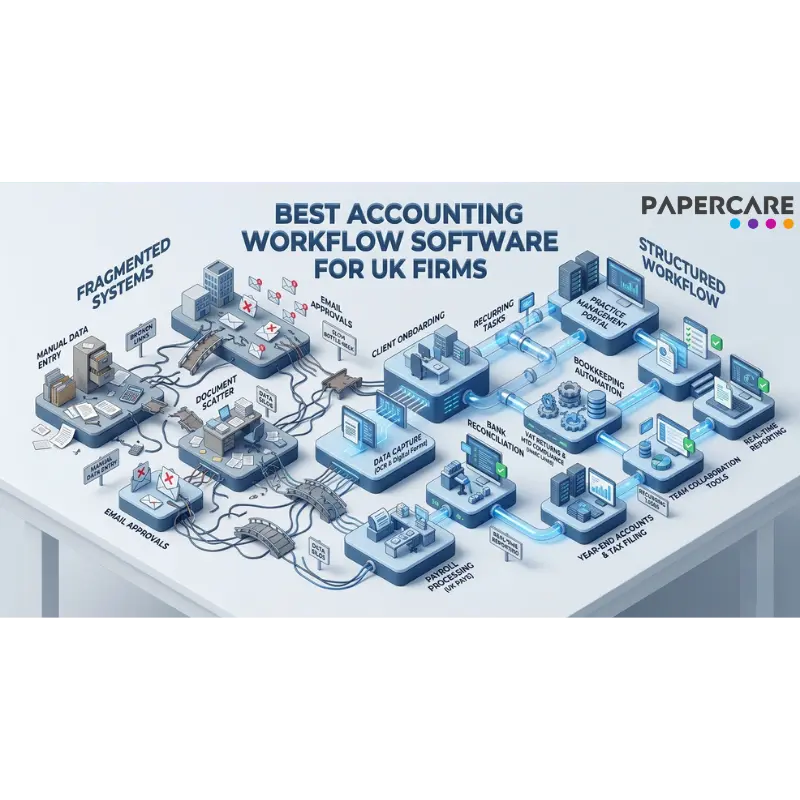
Choosing the right working papers software is no longer just a technology decision, it’s an operational one. The UK accounting firms today are dealing with:
- Increasing compliance requirements
- Tighter deadlines
- Growing client expectations
At the same time, traditional tools like spreadsheets are starting to show clear limitations. This is why more firms are actively exploring working papers software solutions. But with multiple options available, the real challenge is:
Which solution is actually right for your firm?
What UK Accounting Firms Should Look for in Working Papers Software
Before comparing tools, it’s important to understand what actually matters. A good working papers system should provide:
✔️ Structured workflows
✔️ Centralised documentation
✔️ Clear audit trails
✔️ Real-time collaboration
✔️ Scalability as your firm grows
Without these, software becomes just another layer of complexity.
Best Working Papers Software Options for UK Firms
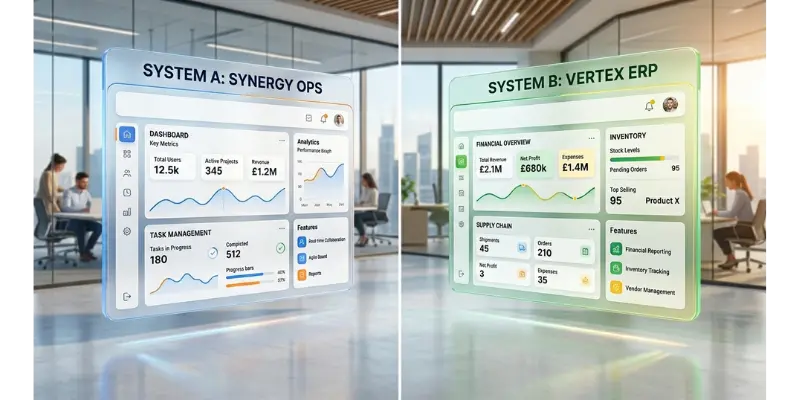
Below are some of the most commonly used and emerging solutions.
- Papercare
Papercare is designed specifically for modern accounting firms looking to move beyond spreadsheet-heavy workflows. It focuses on:
- Structured working paper management
- Workflow standardisation
- Real-time collaboration
- Improved visibility across engagements
What makes it particularly relevant for UK firms is its focus on: Simplifying audit workflows without adding unnecessary complexity
Papercare is best suited for:
- Small to mid-sized firms
- Teams looking to scale without increasing headcount
- Firms transitioning from Excel-based processes
- CCH Audit Automation
A widely used solution in established firms. Known for:
- Strong compliance capabilities
- Integration with broader accounting suites
- Robust audit functionality
However:
- Can feel complex for smaller firms
- Implementation may require time and training
- CaseWare Working Papers
One of the most recognised names in audit software. Offers:
- Comprehensive audit tools
- Established workflows
- Strong reporting capabilities
Considerations:
- Steeper learning curve
- May be more suited for larger firms
- IRIS Audit Software
Popular among UK accounting firms. Provides:
- Compliance-focused features
- Integration with IRIS ecosystem
- Structured audit workflows
Limitations:
- Less flexibility compared to newer tools
- Can feel traditional in approach
- Senta + Spreadsheet-Based Workflows
Some firms still combine:
- Practice management tools (like Senta)
- Excel-based working papers
This approach:
- Works for smaller firms initially
- Becomes difficult to scale over time
How to Choose the Right Software for Your Firm

There is no one-size-fits-all solution. The right choice depends on:
🔹 Firm Size
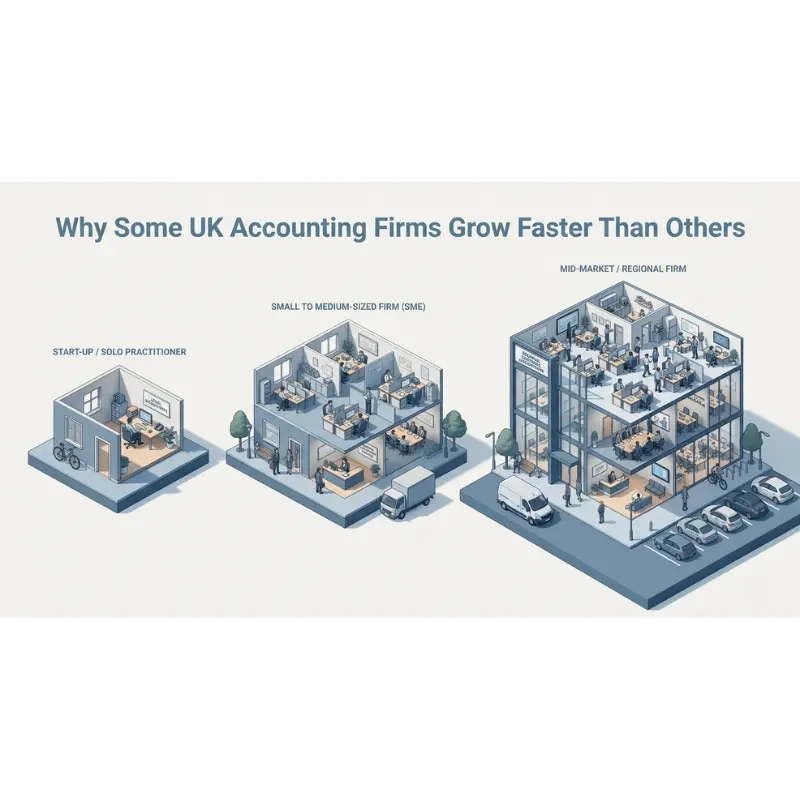
- Small firms → need simplicity and speed
- Mid-sized firms → need structure and scalability
🔹 Workflow Complexity
- Simple engagements → lighter systems may work
- Complex audits → require structured platforms
🔹 Team Collaboration Needs
If multiple team members are involved:
Real-time collaboration becomes critical
🔹 Growth Plans
If your firm plans to scale:
Choose a system that grows with you, not one you outgrow
A Shift Towards Modern, AI-Enabled Systems

A key trend in the UK accounting space is the move towards:
- Automation
- AI-assisted workflows
- Reduced manual intervention
Modern platforms (including Papercare) are beginning to:
- Reduce repetitive tasks
- Improve data handling
- Enhance workflow efficiency
This is not about replacing accountants; it’s about enabling them to work more effectively.
Conclusion
Working papers software is no longer optional for firms looking to scale efficiently. The right system can:
- Reduce operational friction
- Improve collaboration
- Support consistent, high-quality output
The key is not just choosing software but choosing one that aligns with how your firm works today and how it plans to grow.