Introduction
When UK accounting firms search for ways to improve efficiency, one of the most common starting points is software.
Search trends show a growing demand for terms such as “best accounting workflow software UK” and “practice management tools for accountants.” On the surface, this suggests that firms are actively trying to modernise their operations.
However, despite increased adoption of software, many firms still struggle to scale with slow workflows, limited visibility, and ongoing reliance on manual processes.
This creates a fundamental disconnect.
If firms are investing in better tools, why are the outcomes not improving at the same pace?
The answer lies in how workflow software is evaluated, implemented, and integrated into the broader system of the firm.
The Shift Towards Workflow-Centric Accounting
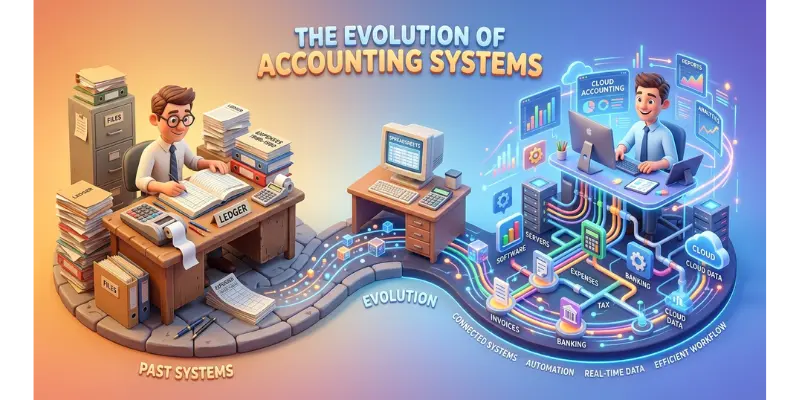
Traditionally, accounting software focused on compliance and core tasks such as bookkeeping, tax, and reporting.
However, as firms adopted these tools, a new challenge emerged, managing the workflow around them.
This has led to increased interest in workflow and practice management systems that aim to organise tasks, track progress, and improve coordination across teams.
While this shift is necessary, it has also introduced complexity.
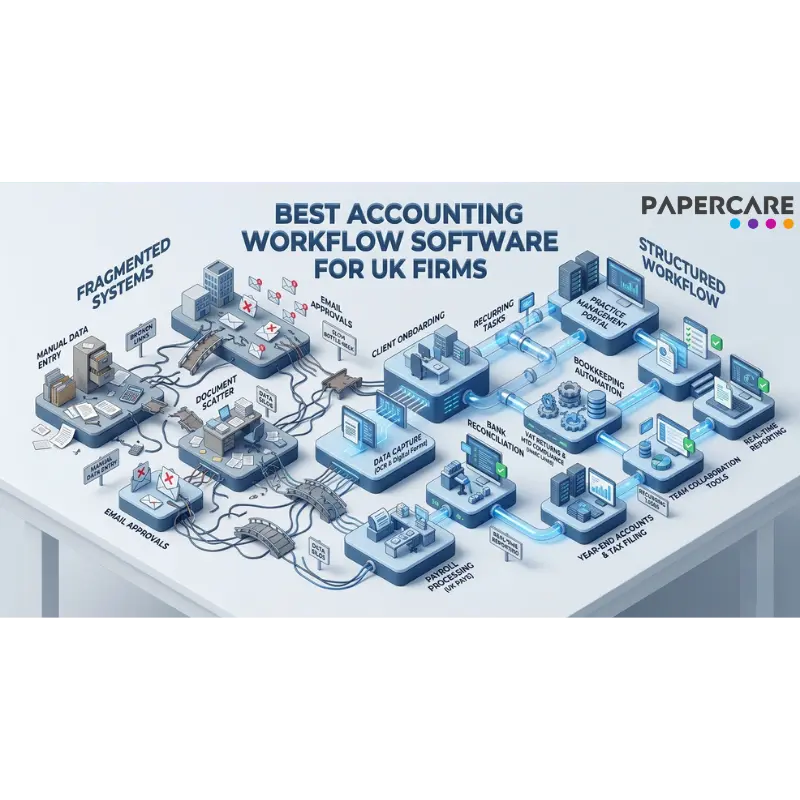
Firms are no longer choosing a single system. They are building an ecosystem of tools, each responsible for a different part of the workflow.
Without a clear structure, this ecosystem can become fragmented.
Why Most Firms Still Struggle After Adopting Software

One of the most overlooked realities in the accounting industry is that software adoption does not automatically lead to efficiency.
Many firms invest in new tools expecting immediate improvements. However, the results often fall short.
This happens because software is frequently layered on top of existing processes without rethinking how those processes should work. As a result:
- Inefficient workflows are digitised rather than improved
- Teams continue to rely on workarounds
- Manual coordination remains necessary
The issue is not the software itself, but the lack of alignment between tools and processes.
The Most Common Mistake: Focusing on Features Instead of Workflow
When evaluating software, firms often focus on features. They compare:
- Task management capabilities
- Reporting dashboards
- Integrations
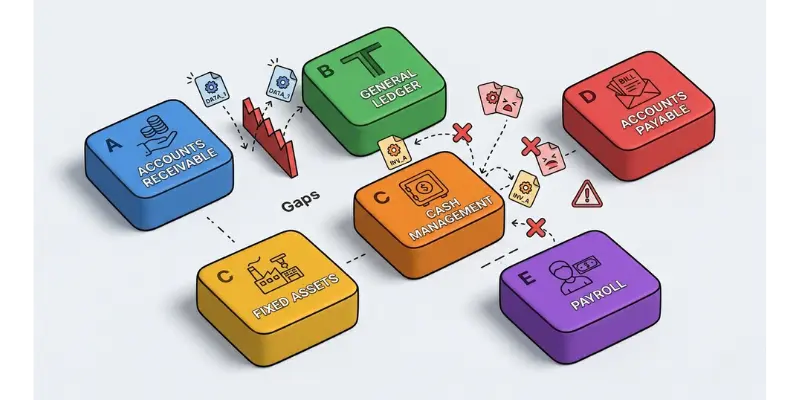
While these are important, they do not address the core question: How does work actually move through the firm?
Without understanding this, it becomes difficult to choose software that genuinely improves efficiency. This is why many firms end up with multiple tools that perform individual functions well but do not create a cohesive workflow.
Understanding the Workflow Software Landscape
To make better decisions, it is useful to understand the different categories of software involved in accounting workflows.
Practice Management Systems
These tools provide visibility over clients, deadlines, and tasks. They help firms organise work at a high level but do not always improve how the work itself is carried out.
Task and Collaboration Tools
These systems support communication and coordination within teams. While useful, they often rely on other systems for execution.
Core Workflow Layers
At the centre of every accounting firm is the actual execution of work – the processes that turn raw data into completed outputs.
This layer is often the least structured, yet it has the greatest impact on efficiency.
Note:
If you are specifically evaluating tools designed to manage and structure working papers, you can explore a more detailed comparison here:
Best working papers software for UK accounting firms
Why Workflow Software Alone Is Not Enough

Even the best workflow tools cannot solve structural issues within a firm. Common challenges include:
- Fragmented systems
- Lack of standardisation
- Heavy reliance on spreadsheets
- Limited visibility into progress
Workflow software can highlight these issues, but it cannot fix them without a structured foundation. This is why firms often feel that they are “using software” but not becoming more efficient.
The Hidden Layer: How Work Is Actually Performed
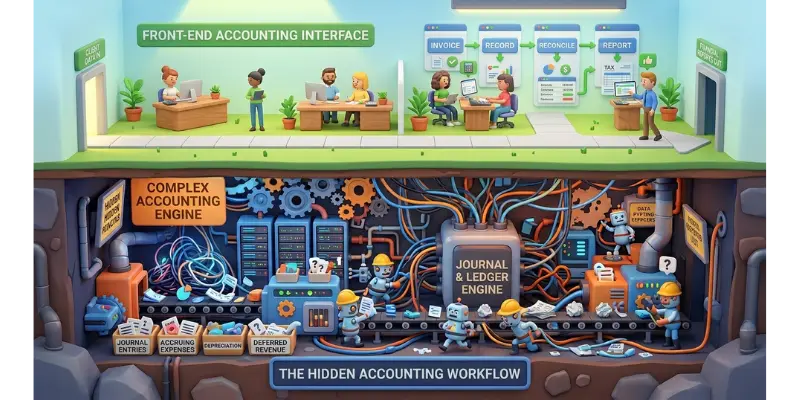
To truly improve efficiency, firms need to look beyond task tracking and focus on how work is executed. This includes:
- How data is organised
- How processes are standardised
- How outputs are structured
In many firms, this layer is managed through a mix of spreadsheets, documents, and informal processes. While flexible, this approach creates inconsistency and limits scalability. Improving this layer has a direct impact on overall workflow performance.
What High-Performing Firms Do Differently

Firms that achieve better outcomes take a more structured approach. They focus on:
- Standardising processes across engagements
- Reducing reliance on disconnected tools
- Creating a single source of truth for work
Rather than adding more tools, they simplify and align their systems. This allows them to:
- Reduce manual effort
- Improve consistency
- Increase capacity without increasing workload
Take a look at detailed coverage on what makes an accounting firm a high-performing one today.
The Importance of Structure in Workflow Efficiency
Structure is often the missing element in accounting workflows. Without structure:
- Processes vary between team members
- Work becomes difficult to review
- Errors are harder to identify
With structure:
- Tasks follow a consistent pattern
- Collaboration becomes easier
- Outputs are more predictable
This is where many workflow tools fall short, they manage tasks but do not enforce structure.
Where Papercare Fits Within the Workflow

Papercare is designed to address this gap. Rather than functioning as another layer of task management, it focuses on structuring how work is performed within the firm. By bringing together:
- Standardised processes
- Centralised data
- Integrated workflows
Papercare enables firms to move away from fragmented systems and towards a more cohesive approach. This does not replace existing tools, but enhances how they work together.
How to Choose Workflow Software Without Making the Same Mistake
For firms evaluating workflow software, the key is to change the decision-making approach. Instead of focusing only on features, consider:
- Does this reduce fragmentation?
- Does it improve how work is executed?
- Does it create consistency across the team?
These questions lead to more effective decisions.
The Future of Accounting Workflows in the UK

As regulatory requirements evolve and client expectations increase, workflows will need to become faster, more structured, and more transparent.
Firms that continue to rely on fragmented systems will face increasing pressure. Those that invest in structured, integrated workflows will be better positioned to adapt and grow.
Choosing the best accounting workflow software is not just about selecting the right tool. It is about understanding how work flows through the firm and ensuring that software supports that flow.
Many firms struggle not because they chose the wrong tools, but because they approached the decision without considering the bigger picture.
By focusing on structure, integration, and execution, firms can achieve the efficiency they expect from modern software.