

Introduction
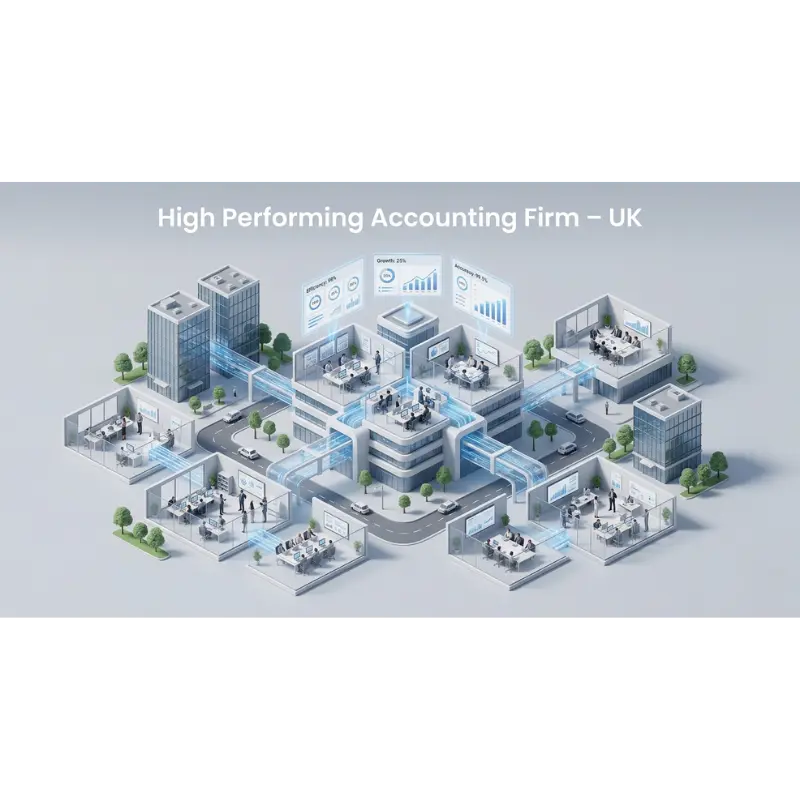
The definition of a successful accounting firm in the UK is changing. Traditionally, performance was measured by client numbers, revenue, and compliance delivery. While these metrics still matter, they no longer tell the full story.
Today, high-performing firms are defined by how efficiently they operate, how well they adapt to change, and how consistently they deliver value to clients. The shift is being driven by increasing regulatory complexity, rising client expectations, and the growing influence of technology.
In this evolving landscape, firms that continue to rely solely on traditional approaches are finding it harder to keep up. Meanwhile, those that invest in better systems, processes, and strategic thinking are creating a clear competitive advantage.
Understanding what separates these firms is essential for anyone looking to build or scale a modern accounting practice.
Performance Is No Longer Just About Revenue
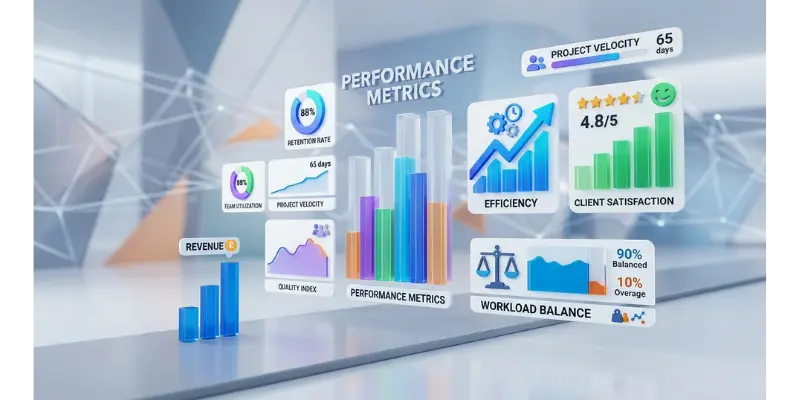
Revenue has always been a primary indicator of success, but it is no longer sufficient on its own. A firm may be growing financially while still struggling operationally.
High-performing firms focus on a broader set of metrics. Efficiency, turnaround time, client satisfaction, and team utilisation are all critical indicators of performance. These metrics provide a more accurate picture of how well a firm is operating internally.
For example, two firms with similar revenue can have completely different levels of efficiency. One may rely heavily on manual processes, leading to longer turnaround times and higher stress levels. The other may operate with streamlined workflows, allowing it to deliver the same output with less effort.
The difference lies not in the volume of work, but in how that work is managed.
Strong Systems Form the Foundation

At the core of every high-performing accounting firm is a strong operational system. This includes:
- Structured working papers
- Centralised data management
- Integrated tools
- Clear workflow processes
Without these elements, even the most skilled teams will struggle to maintain consistency and efficiency.
Many firms still operate with fragmented systems, where information is spread across spreadsheets, emails, and multiple platforms. This creates inefficiencies that slow down work and increase the likelihood of errors.
In contrast, high-performing firms invest in systems that bring everything together. This reduces friction, improves collaboration, and creates a stable foundation for growth.
Process Consistency Drives Efficiency
Consistency is one of the most underrated factors in accounting performance.
When processes vary from one engagement to another, it becomes difficult to maintain quality and efficiency. Teams spend more time figuring out how to approach tasks rather than executing them.
High-performing firms standardise their processes wherever possible. This does not mean removing flexibility, but rather creating a consistent framework that can be applied across engagements. Standardisation leads to:
- Faster execution
- Easier onboarding
- Reduced errors
- Better scalability
It also makes it easier to introduce automation and AI, as systems rely on predictable workflows.
The Role of Technology in Modern Firms

Technology is no longer optional for accounting firms, it is a fundamental component of performance.
However, simply adopting new tools is not enough. High-performing firms take a strategic approach to technology. They focus on selecting solutions that integrate well with their workflows and solve specific problems. This includes:
- Workflow management systems
- Working papers software
- Automation tools
- AI-enabled platforms
The goal is not to use more tools, but to use the right tools effectively. Firms that approach technology in this way are able to reduce manual work, improve accuracy, and operate more efficiently.
People and Culture Still Matter

While systems and technology are critical, they are only part of the equation. High-performing firms also place a strong emphasis on people and culture.
Teams need to be aligned with the firm’s approach to efficiency and continuous improvement. This requires:
- Clear communication
- Ongoing training
- Openness to change
Firms that encourage collaboration and knowledge sharing tend to perform better. They create environments where team members can work effectively together and support each other.
Culture also plays a role in how new systems are adopted. Even the best technology will fail if teams are not willing to use it properly.
Visibility and Control Across Workflows
One of the defining characteristics of high-performing firms is visibility. They have a clear understanding of:
- What work is in progress
- Where bottlenecks exist
- How resources are being used
This level of visibility allows firms to make informed decisions. Instead of reacting to problems after they occur, they can identify and address issues early.
Modern systems provide real-time insights into workflows, making it easier to track progress and manage workloads effectively.
This improves both efficiency and client service, as firms can deliver work more reliably and predictably.
Adaptability in a Changing Industry
The accounting industry is constantly evolving. Regulatory changes, technological advancements, and shifting client expectations all require firms to adapt.
High-performing firms are not just efficient, they are adaptable.
They continuously evaluate their processes, systems, and strategies. They are willing to make changes when necessary and are proactive in adopting new approaches.
This adaptability allows them to stay ahead of the curve and maintain their competitive position.
The Shift Towards Value-Driven Services
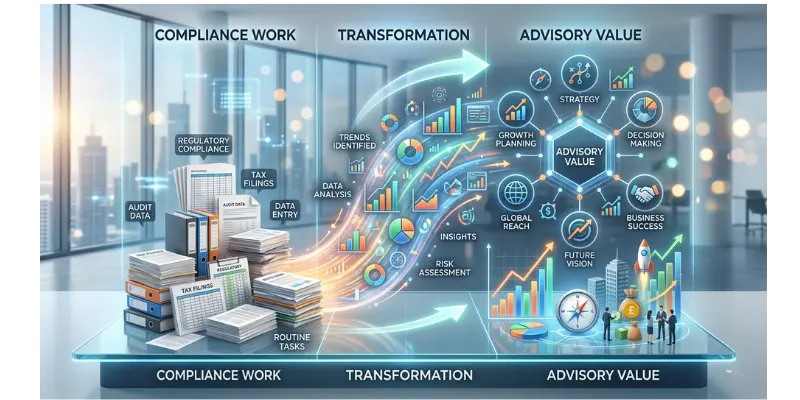
Another key characteristic of high-performing firms is their focus on value.
While compliance work remains important, many firms are expanding their services to include advisory and strategic support. This allows them to provide greater value to clients and differentiate themselves in the market. This shift requires:
- Better data insights
- Stronger client relationships
- More efficient workflows
Firms that can balance compliance with advisory services are better positioned for long-term growth.
Bringing It All Together

High performance in accounting is not driven by a single factor. It is the result of multiple elements working together. These include:
- Strong systems
- Consistent processes
- Effective use of technology
- Skilled and aligned teams
- Clear visibility and control
When these elements are in place, firms can operate efficiently, scale effectively, and deliver consistent value to clients.
Conclusion

The definition of a high-performing accounting firm in the UK has evolved.
It is no longer enough to focus solely on revenue or client numbers. Firms need to consider how they operate, how they use technology, and how they adapt to change.
Those that invest in strong systems, consistent processes, and effective use of technology are better positioned to succeed. They are able to handle growth, meet client expectations, and navigate an increasingly complex environment.
Ultimately, high performance is about building a firm that is not only successful today, but sustainable in the long term.