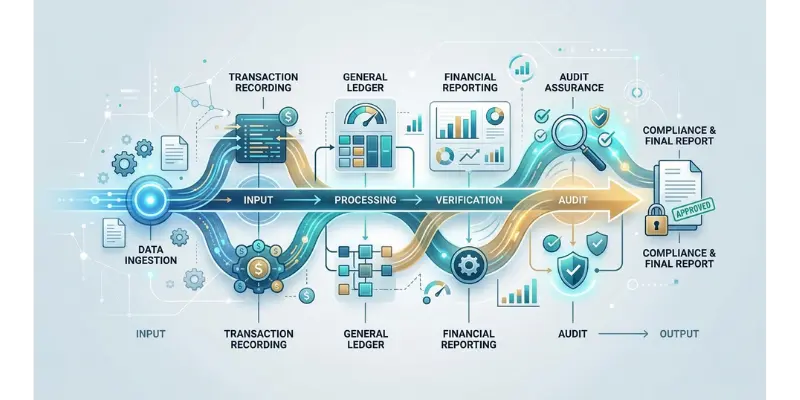
Audit efficiency has become a critical focus for accounting firms across the UK. As regulatory requirements evolve and client expectations continue to rise, firms are under increasing pressure to deliver accurate, timely, and well-documented audits.
At the same time, many accounting teams are still relying on manual processes, spreadsheets, and fragmented workflows, which can slow down audit engagements and introduce unnecessary risks.
As we move into 2026, improving audit efficiency is no longer just about saving time, it is about maintaining competitiveness, ensuring compliance, and delivering higher-quality client outcomes.
In this article, we explore what audit efficiency really means, the challenges firms face, and practical ways to improve audit workflows in today’s environment.
What is Audit Efficiency?

Audit efficiency refers to how effectively an accounting firm can complete audit engagements while maintaining accuracy, consistency, and compliance.
An efficient audit process ensures that:
- tasks are completed in a structured and timely manner
- errors are minimised through consistent processes
- team members can collaborate effectively
- reviews and approvals are completed without delays
Improving audit efficiency does not mean cutting corners. Instead, it involves optimising workflows so that firms can deliver high-quality audits with less manual effort and fewer bottlenecks.
Key Challenges Affecting Audit Efficiency
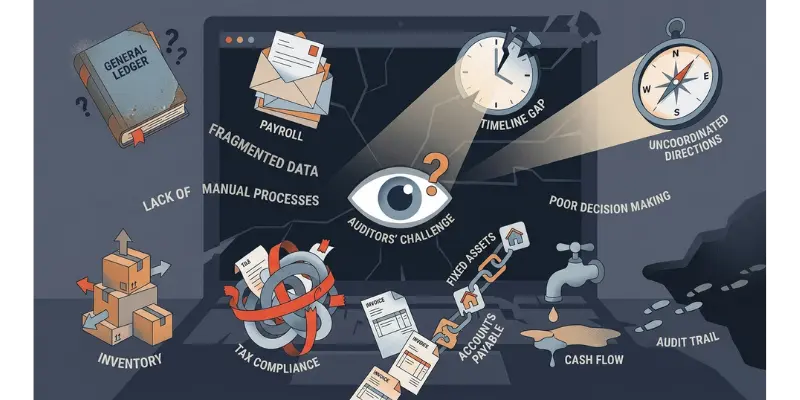
Despite advances in technology, many accounting firms still face common challenges that reduce efficiency during audits.
- Manual and Repetitive Processes
A significant portion of audit work still involves manual data entry, copying information between documents, and performing repetitive checks.
These tasks are time-consuming and increase the likelihood of human error, particularly when working under tight deadlines.
- Over-Reliance on Spreadsheets
Spreadsheets remain widely used for preparing working papers, but they often introduce inefficiencies.
Many firms experience common spreadsheet issues in accounting workflows, such as broken formulas, inconsistent formats, and difficulties in maintaining version control.
This can lead to delays during the review process and reduce confidence in the accuracy of financial data.
- Lack of Standardised Workflows
Without standardised processes, different team members may approach audit tasks in different ways.
This lack of consistency can make it harder to review work, identify issues, and ensure that all necessary steps have been completed.
- Collaboration and Communication Gaps
Audit engagements typically involve multiple team members, including junior staff, managers, and partners.
When collaboration is not managed effectively, it can result in duplicated work, missed updates, and delays in approvals.
- Review Bottlenecks
One of the most common causes of inefficiency is the delay in reviewing working papers.
When documentation is not structured or easily accessible, reviewers may spend more time understanding the work rather than evaluating it.
We look at why this stage stalls in why audit work still takes so long.
Why Audit Efficiency is More Important in 2026
The importance of audit efficiency is increasing due to several industry trends.
Regulatory Pressure
UK accounting firms are facing growing compliance requirements, including initiatives such as Making Tax Digital for Income Tax, which require more structured and digital processes.
These changes mean that firms must ensure their documentation is accurate, complete, and audit-ready at all times.
Increasing Workloads
Many firms are managing a higher volume of clients without a proportional increase in resources.
This makes it essential to complete audit engagements more efficiently without compromising quality.
Rising Client Expectations
Clients now expect faster turnaround times, better communication, and more valuable insights from their accountants.
Improving audit efficiency allows firms to meet these expectations while maintaining high standards.
Practical Ways to Improve Audit Efficiency

Improving audit efficiency does not require a complete overhaul overnight. Instead, firms can take practical steps to optimise their workflows.
- Standardise Audit Processes
Creating consistent templates and workflows helps ensure that all team members follow the same approach.
This makes it easier to review work, identify issues, and maintain quality across engagements.
Customisable accounts checklists are the simplest way to do this, so a new starter and a senior manager work the file the same way.
- Reduce Manual Data Entry
Minimising repetitive tasks can significantly improve efficiency.
Where possible, firms should look to automate data entry and validation processes to reduce errors and save time.
- Improve Collaboration
Clear communication and collaboration are essential for efficient audits.
Using centralised systems where all team members can access and update working papers helps reduce confusion and delays.
- Leverage Automation
As highlighted in many firms, automation is becoming essential for accounting firms looking to handle increasing workloads.
Automation can streamline repetitive tasks, improve consistency, and allow accountants to focus on higher-value activities.
- Enhance Review Processes
Structuring working papers in a way that makes them easy to review can significantly reduce bottlenecks.
Clear documentation, consistent formats, and logical organisation all contribute to faster and more effective reviews.
The Role of Technology in Audit Efficiency

Technology is playing an increasingly important role in improving audit workflows.
Modern accounting tools provide capabilities that go beyond traditional methods, helping firms work more efficiently and accurately.
Technology only helps when the process underneath is sound, which is the argument in why accounting software often fails to improve efficiency.
Cloud-Based Systems
Cloud platforms allow teams to access working papers from anywhere, improving flexibility and collaboration.
They also ensure that all users are working on the latest version of documents.
Structured Documentation
Unlike spreadsheets, structured systems organise working papers in a consistent and logical way.
This makes it easier to prepare, review, and audit documentation.
Artificial Intelligence
AI is beginning to support audit processes by identifying inconsistencies, validating data, and improving review efficiency.
This is part of a broader shift where AI is transforming working papers for UK accountants, enabling more intelligent and streamlined workflows.
In practice, the most useful form of this today is an AI accountant that reviews the balance sheet and P&L the way a senior would and hands the reviewer a list of points to clear. We explain it in what is an AI accountant?
How Modern Tools Are Changing Audit Workflows
The combination of automation, cloud technology, and AI is reshaping how audits are performed.
Firms that adopt modern tools can:
- complete engagements more quickly
- reduce manual effort
- improve accuracy and consistency
- enhance collaboration across teams
While traditional methods such as spreadsheets still have their place, many firms are now recognising the benefits of using more advanced solutions to manage audit documentation.
Final Thoughts
Audit efficiency is no longer just a nice-to-have, it is a necessity for accounting firms operating in today’s environment.
With increasing regulatory requirements, growing workloads, and higher client expectations, firms must find ways to optimise their workflows without compromising quality.
By standardising processes, reducing manual work, improving collaboration, and adopting modern technology, UK accounting firms can significantly enhance their audit efficiency.
Ultimately, the firms that invest in improving their audit workflows today will be better positioned to succeed in the years ahead.
About the author
Written by the Papercare Team. Papercare is the AI accountant for UK accountancy practices: AI accounting software that imports the client’s data, builds AI working papers that tie, and raises review points before the partner opens the file. It was built inside a live UK practice by founder Shrineel Patel FCCA. More about Papercare