The accounting profession in the UK is undergoing one of its most significant periods of change in decades. Regulatory reforms, increasing client expectations, talent shortages, and rapid technological advancements are all reshaping the way accounting firms operate.
For many firms, these changes present both challenges and opportunities. Traditional workflows that once worked well are becoming difficult to maintain as firms face growing workloads and increasingly complex compliance requirements.
At the same time, modern accounting technology is helping firms adapt by improving efficiency, reducing manual work, and allowing accountants to focus more on high-value advisory services.
Understanding the biggest challenges facing accounting firms today is the first step towards building a more resilient and future-ready practice.
In this article, we explore the key challenges UK accounting firms are likely to face in 2026 and how technology is helping firms overcome them.
1. Increasing Regulatory Complexity
One of the most significant challenges facing accounting firms is the growing complexity of regulatory requirements.
Compliance obligations continue to evolve as governments introduce new frameworks aimed at improving transparency and digital reporting.
One major example in the UK is Making Tax Digital for Income Tax Self Assessment, which will require many taxpayers to maintain digital records and submit updates through compatible software.
These regulatory changes place additional pressure on accounting firms that must ensure their clients remain compliant while also managing increasing reporting requirements.
MTD for Income Tax has been live since 6 April 2026 for sole traders and landlords with qualifying income above £50,000. The threshold drops to £30,000 from April 2027 and £20,000 from April 2028.
Many firms still rely heavily on spreadsheets, but this often leads to common spreadsheet issues in accounting workflows, such as broken formulas, inconsistent data structures, and version control problems.
Digital tools are therefore becoming essential for helping firms keep up with regulatory changes while maintaining accurate documentation and audit trails.
2. Talent Shortages in the Accounting Profession
Another major issue affecting accounting firms is the growing shortage of skilled professionals.
Across the UK, many firms are finding it difficult to recruit and retain experienced accountants. At the same time, existing staff members are often managing heavier workloads as client demands increase.
This creates a difficult situation where firms must deliver high-quality work while operating with limited resources.
Rather than simply increasing headcount, many firms are addressing this challenge by investing in technology that automates repetitive tasks and improves operational efficiency.
Automation tools can help reduce the time spent on administrative activities such as documentation, reconciliation, and data validation, allowing accountants to focus on more complex analytical work.
By improving efficiency through technology, firms can manage higher workloads without placing additional pressure on their teams.
ICAEW research published in May 2026 found 68% of mid-tier firms expect AI to reduce demand for some early-career roles, while 83% expect no reduction in overall headcount. We look at what that means in will AI replace accountants?
3. Rising Client Expectations
Clients today expect far more from their accountants than basic compliance services.
Many businesses now rely on their accountants for strategic guidance, financial planning, and ongoing advisory support.
This shift means accounting firms must move beyond traditional bookkeeping and tax preparation roles to provide deeper insights and value-added services.
However, delivering advisory services requires time and attention. If accountants spend most of their working hours preparing documentation or managing manual workflows, they have little capacity to offer strategic advice.
Technology plays an important role in solving this problem by automating routine tasks and freeing up time for client-focused activities.
When workflows become more efficient, accountants can focus on providing insights that help clients make better financial decisions.
We look at this shift in more detail in how client expectations of UK accountants are changing.
4. Managing Large Volumes of Financial Data

Accounting firms are now working with more financial data than ever before.
Businesses generate large volumes of transactions, financial records, and supporting documentation throughout the year. Managing and analysing this information efficiently can be challenging, particularly for firms relying on manual processes.
Spreadsheets remain a common tool in accounting workflows, but they often introduce risks such as:
- formula errors
- inconsistent data formatting
- version control issues
- missing documentation
These issues can slow down accounting processes and increase the likelihood of mistakes.
Modern accounting platforms help firms manage large volumes of data more efficiently by organising information in structured systems that reduce the need for manual data handling.
This improves both accuracy and productivity.
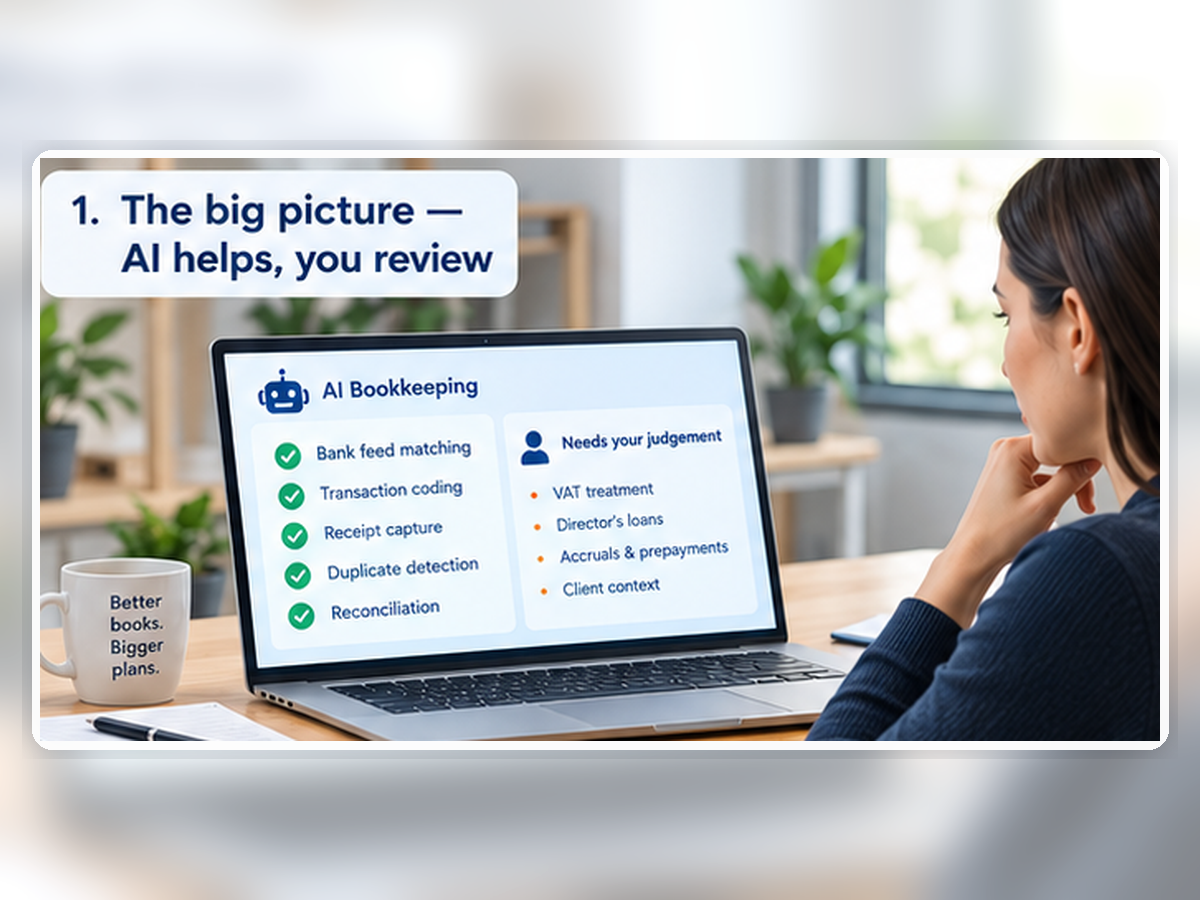
AI now handles much of the transactional side, as we set out in can AI do bookkeeping?
5. Inefficient Manual Workflows
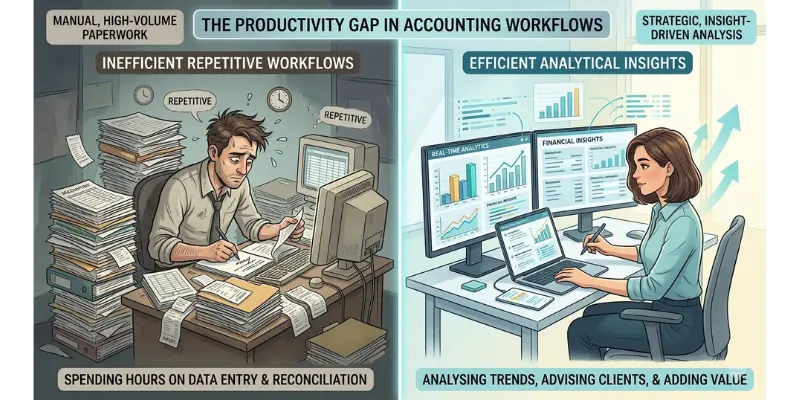
Despite advances in accounting technology, many firms still rely on manual workflows for key tasks such as preparing working papers, reviewing financial documents, and organising engagement files.
Manual processes can create several operational challenges, including:
- time-consuming documentation preparation
- difficulty collaborating across teams
- inconsistent file organisation
- slow review cycles
These inefficiencies often become more noticeable as firms grow and take on additional clients.
By adopting digital solutions designed specifically for accounting workflows, firms can standardise their documentation processes and reduce administrative effort.
Automation is becoming essential for accounting firms – As workloads increase and resources remain limited, many firms are recognising that automation is becoming essential for accounting firms looking to maintain efficiency and scale their operations.
6. Keeping Up with Rapid Technological Change
Technology is transforming the accounting profession at an accelerating pace.
Tools powered by artificial intelligence, cloud computing, and automation are enabling firms to streamline workflows and improve the way financial information is managed.
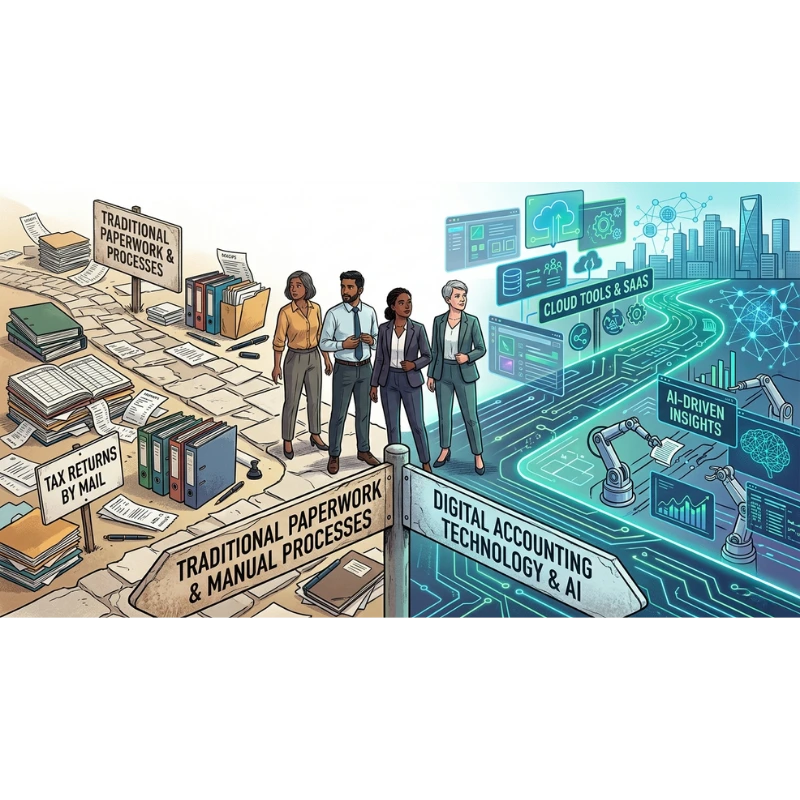
However, keeping up with technological change can be challenging for firms that have relied on traditional processes for many years.
Adopting new technology requires time, training, and adjustments to existing workflows.
Despite these challenges, firms that successfully embrace modern tools often gain significant advantages, including:
- improved operational efficiency
- faster turnaround times
- better collaboration between teams
- stronger data accuracy and security
As the accounting profession continues to evolve, technology adoption will become increasingly important for firms that want to remain competitive.
How Technology Is Helping Accounting Firms Overcome These Challenges
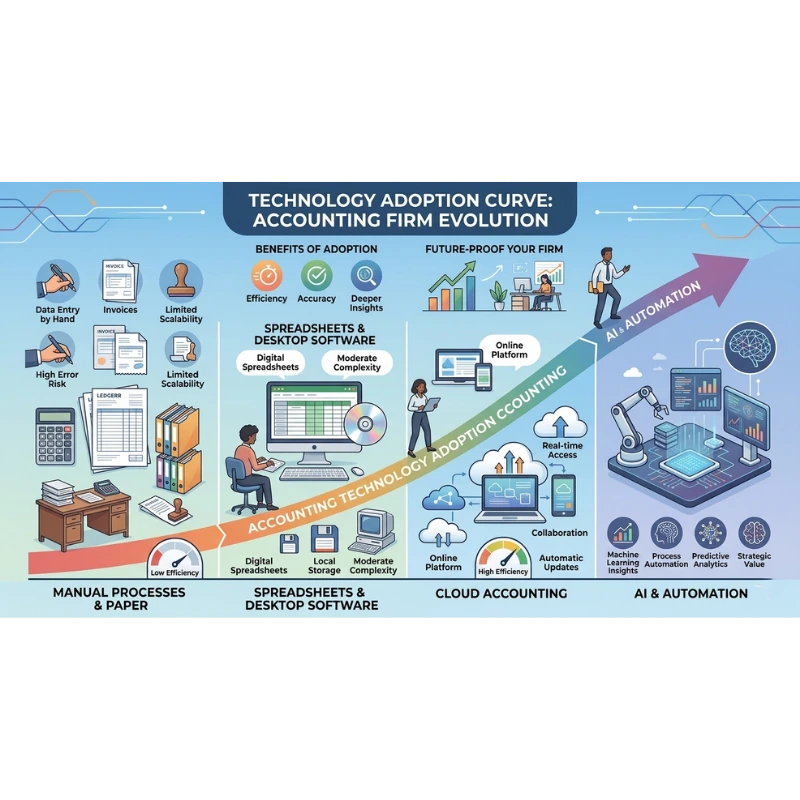
The good news is that many of the challenges facing accounting firms today can be addressed through the adoption of modern accounting technology.
Digital solutions are transforming the way firms manage financial data, prepare documentation, and collaborate on client engagements.
Some of the most important technological developments shaping the future of accounting include:
Automation
Automation tools reduce the need for manual data entry and repetitive administrative tasks. This allows accounting teams to work more efficiently and focus on higher-value work.
Cloud-Based Systems
Cloud platforms enable accountants to access financial information securely from anywhere while allowing multiple team members to collaborate in real time.
Artificial Intelligence
AI-powered systems can analyse financial data, identify inconsistencies, and support more efficient review processes.
The most complete form of this is an AI accountant, which we explain in what is an AI accountant?
Integrated Accounting Platforms
Modern software solutions integrate multiple accounting functions into a single system, improving workflow efficiency and reducing the need to switch between different tools.
Together, these technologies are helping accounting firms manage increasing workloads while maintaining high standards of accuracy and compliance.
The Role of Modern Working Papers Software
One area where technology is having a particularly strong impact is the management of working papers.
Working papers form the foundation of accounting and audit engagements, providing structured documentation that supports financial conclusions and ensures transparency.
Traditional working paper preparation often involves spreadsheets and manually organised files. While this approach has been widely used for many years, it can create inefficiencies and increase the risk of documentation errors.
Modern working papers software addresses these challenges by providing structured systems designed specifically for accounting workflows.
For example, platforms like Papercare Working Papers provide an AI-powered, cloud-based environment where accounting teams can prepare, review, and manage working papers more efficiently.
Such systems help firms:
- automate the creation of structured working papers
- improve documentation consistency
- collaborate securely across teams
- maintain clear audit trails
- reduce manual administrative effort
By replacing spreadsheet-based documentation with intelligent platforms, accounting firms can significantly streamline their engagement workflows.
Preparing for the Future of Accounting

The accounting profession will continue to evolve as new regulations, technologies, and client expectations shape the industry.
While these changes bring challenges, they also create opportunities for firms willing to adapt and modernise their workflows.
Accounting firms that invest in digital tools, automation, and efficient documentation systems are better positioned to manage increasing workloads while maintaining high-quality service for their clients.
Rather than viewing technology as a disruption, many firms are now recognising it as a key enabler of growth and efficiency.
By embracing modern solutions and improving operational workflows, accounting firms can focus on delivering the strategic insights and financial expertise that clients increasingly value.
Final Thoughts
UK accounting firms are facing a rapidly changing landscape in 2026. From regulatory requirements and talent shortages to growing client expectations and increasing data complexity, the challenges are significant.
However, technology is providing powerful tools that help firms adapt to these changes.
Automation, cloud-based systems, artificial intelligence, and modern working papers software are enabling accounting teams to work more efficiently while maintaining strong compliance and documentation standards.
For firms looking to build a more future-ready practice, investing in the right technology may be one of the most important decisions they make.
If your firm is exploring ways to modernise its accounting workflows and improve documentation efficiency, solutions such as Papercare Working Papers can help streamline the preparation and review of engagement files while reducing manual effort.
You can learn more about the platform by visiting www.papercare.ai.
About the author
Written by the Papercare Team. Papercare is the AI accountant for UK accountancy practices: AI accounting software that imports the client’s data, builds AI working papers that tie, and raises review points before the partner opens the file. It was built inside a live UK practice by founder Shrineel Patel FCCA. More about Papercare