
As accounting firms continue to adopt digital tools and automated workflows, the way working papers are prepared and managed is rapidly evolving. Traditional spreadsheet-based documentation, once considered the industry norm, is increasingly being replaced by specialised working papers software designed to improve efficiency, accuracy, and collaboration.
For UK accounting firms dealing with growing compliance requirements, complex audits, and increasing client expectations, choosing the right working papers software can make a significant difference to operational efficiency.
However, not all solutions are created equal. Different platforms offer different levels of automation, collaboration, and intelligence.
Understanding the key features that define modern working papers software can help accounting firms select a system that supports their workflow, improves documentation quality, and reduces administrative workload.
This guide explores the most important features accounting firms should consider when evaluating working papers software.
Why Working Papers Software is Becoming Essential
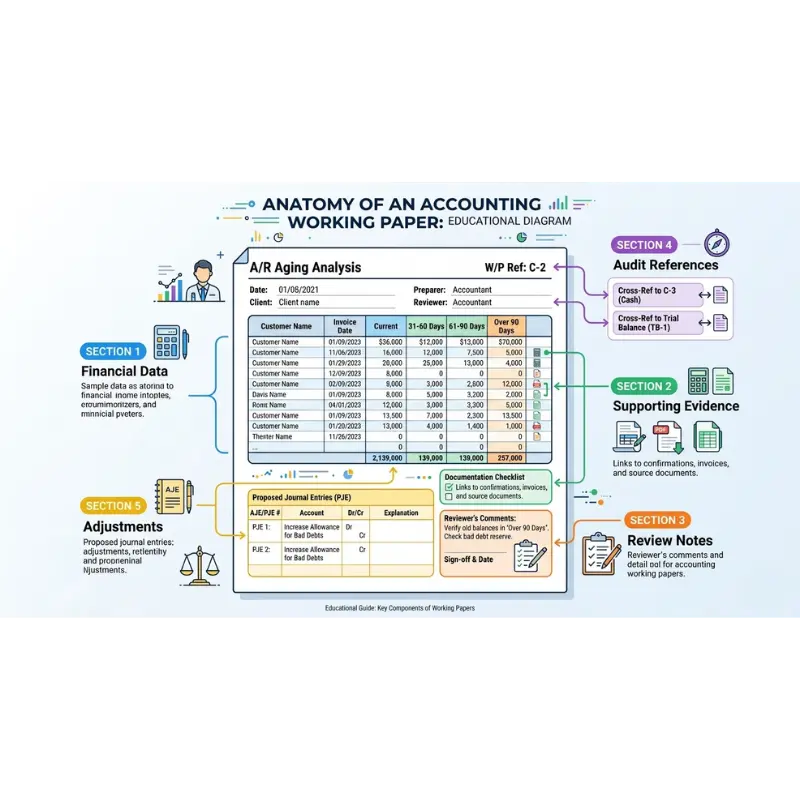
Working papers are a fundamental part of accounting and audit engagements. They document the procedures performed, support financial conclusions, and provide a structured audit trail for compliance and review.
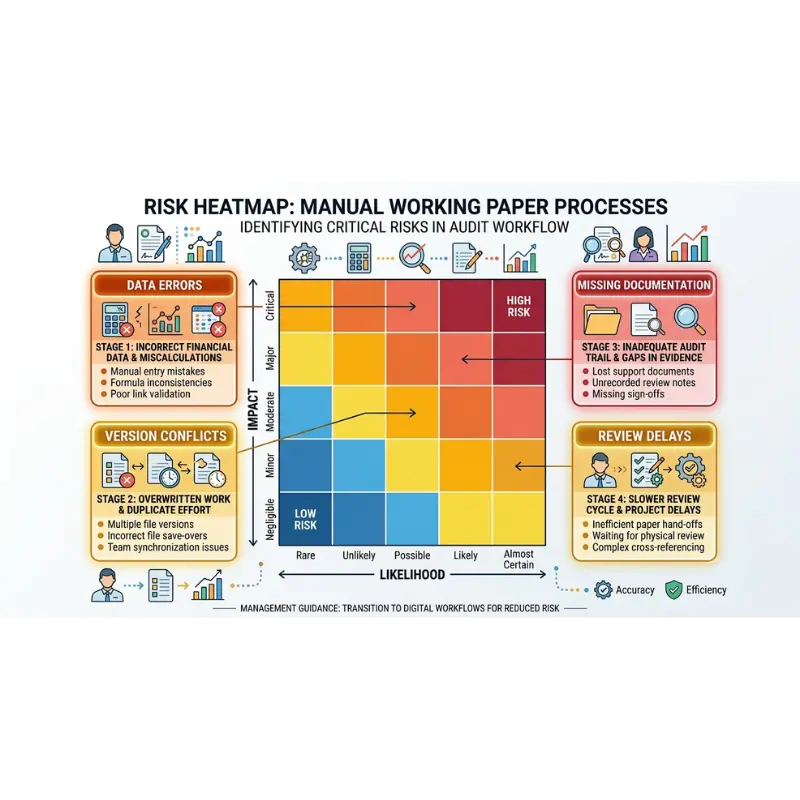
Historically, most firms prepared working papers using spreadsheets and manually organised files. While flexible, this approach often leads to several operational challenges:
- formula errors and broken references
- inconsistent documentation structures
- difficulty collaborating across teams
- time-consuming review processes
- version control issues
Modern working papers software addresses these challenges by providing a structured digital environment specifically designed for accounting workflows.
Instead of relying on disconnected files, accounting firms can manage engagement documentation through a centralised system that improves consistency and efficiency.
Key Features to Look for in Working Papers Software
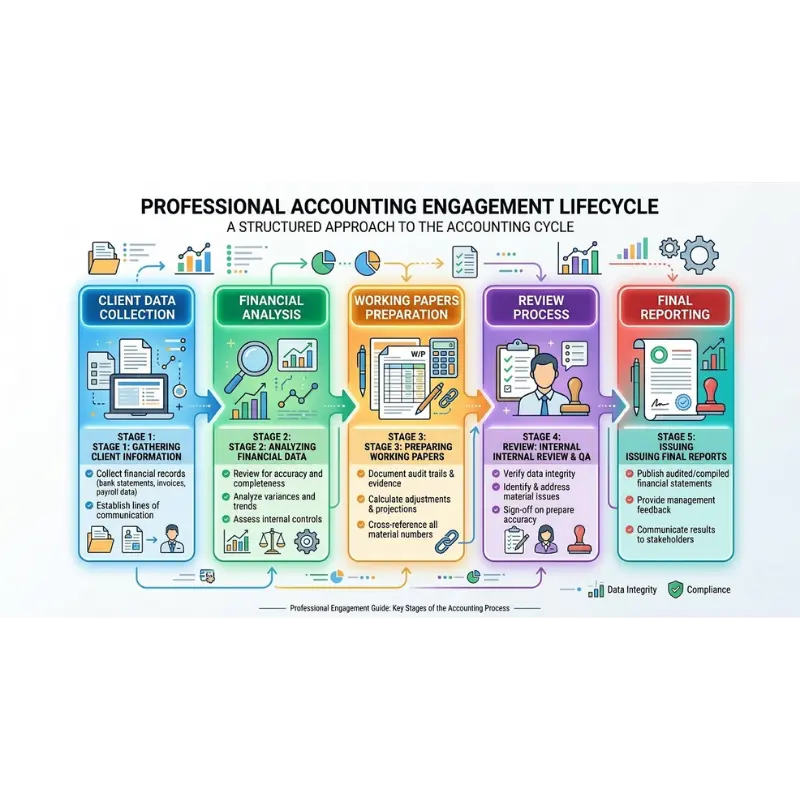
When evaluating working papers software, accounting firms should focus on features that directly improve productivity, documentation quality, and team collaboration.
Below are some of the most important capabilities modern systems should provide.
- Automated Working Papers Creation
One of the most valuable features of modern working papers software is the ability to automatically structure engagement documentation.
Rather than creating working papers manually from spreadsheets, the system generates organised documentation frameworks that accountants can populate with relevant data and analysis. Recent developments in AI working papers technology are helping accounting teams detect inconsistencies and streamline review workflows.
Automation helps firms:
- standardise documentation across engagements
- reduce preparation time
- maintain consistent file structures
This significantly reduces administrative effort and ensures working papers remain organised and audit-ready.
- AI-Powered Accuracy Checks
Human errors are one of the biggest risks in spreadsheet-based accounting workflows. Traditional spreadsheet-based workflows often create operational challenges, including many common spreadsheet issues in accounting workflows.
Modern working papers software increasingly incorporates artificial intelligence to identify inconsistencies and potential issues in documentation.
AI-powered validation tools can help detect:
- calculation inconsistencies
- missing documentation
- unusual financial patterns
- incomplete working papers
These automated checks improve the reliability of financial documentation and reduce the risk of oversight during the review process.
- Cloud-Based Collaboration
Accounting teams today often work across multiple locations and collaborate on engagements simultaneously. Many firms are also choosing to migrate from spreadsheets to a cloud working papers system in order to improve collaboration and maintain structured documentation.
Cloud-based working papers software allows teams to access and update documentation in real time from anywhere.
This capability provides several advantages:
- real-time collaboration between staff and managers
- immediate visibility into engagement progress
- easier file sharing across teams
- secure remote access to documentation
Cloud collaboration also eliminates many of the version control problems associated with spreadsheet-based workflows.
- Version Control and Audit Trails
Version control is critical when multiple team members contribute to the same engagement.
Working papers software should provide clear documentation of all changes made within the system.
A reliable audit trail allows firms to track:
- who made changes to a document
- when updates were made
- what modifications occurred
This transparency is essential for maintaining accountability and supporting regulatory compliance.
- Structured Review Workflows
Reviewing working papers is often one of the most time-consuming stages of an engagement.
Modern working papers platforms streamline the review process through structured workflows that allow managers and partners to review documentation more efficiently.
Typical features include:
- review notes and comments
- approval checkpoints
- status tracking
- review sign-offs
These tools ensure that working papers move smoothly through the review process while maintaining clear documentation of approvals.
- Centralised Documentation Management
Working papers software should provide a central repository for all engagement documents.
Instead of storing files across multiple folders or systems, all documentation can be organised within a single platform.
This centralisation provides several benefits:
- easier access to engagement files
- improved organisation
- faster document retrieval during audits
- simplified compliance reviews
A well-structured documentation system helps firms maintain consistency across engagements.
- Secure Data Storage and Access Control
Accounting firms handle highly sensitive financial information, making security a critical consideration when selecting software.
Modern working papers platforms should include strong security features such as:
- encrypted data storage
- role-based access permissions
- secure cloud infrastructure
- controlled file sharing
These safeguards ensure that financial information remains protected while still allowing authorised team members to collaborate efficiently.
- Integration with Accounting Workflows
Working papers software should integrate smoothly with the tools accounting firms already use.
This might include integrations with:
- bookkeeping systems
- tax software
- document management platforms
- financial reporting tools
Seamless integration reduces the need for manual data transfers and improves workflow efficiency across accounting processes.
- Scalability for Growing Accounting Firms
As accounting firms expand their client base and take on more engagements, their documentation systems must scale accordingly.
Working papers software should be capable of supporting:
- multiple simultaneous engagements
- growing teams
- increasing volumes of financial documentation
Scalable systems ensure firms can maintain efficient workflows as they grow.
How AI-Powered Working Papers Software is Changing Accounting Workflows
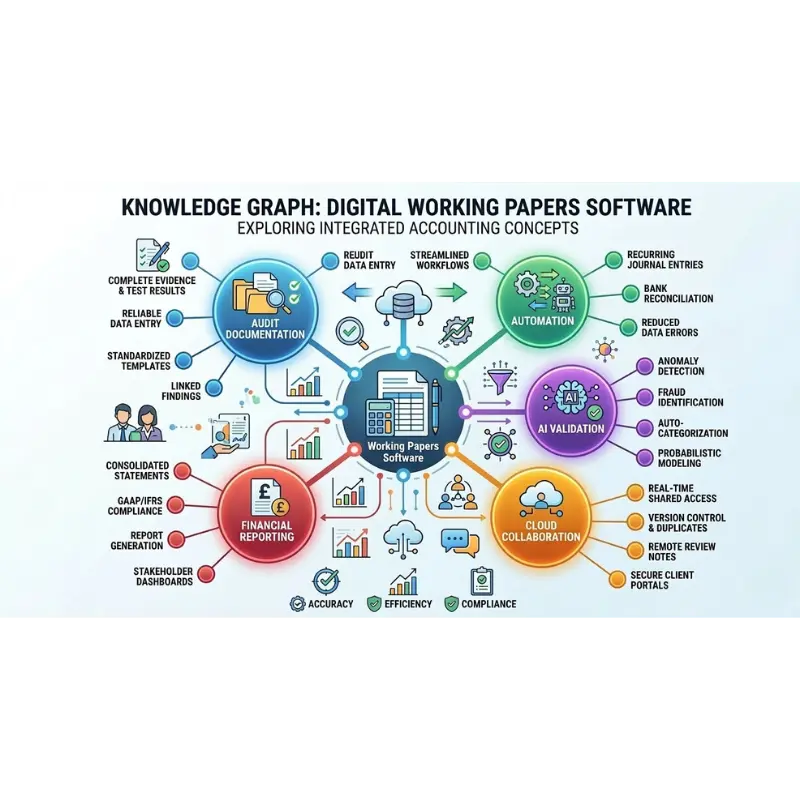
The introduction of artificial intelligence is transforming the capabilities of modern working papers systems.
AI-driven platforms go beyond simple document management by actively assisting accountants throughout the engagement process.
For example, AI can help:
- organise working papers automatically
- validate financial data
- identify anomalies or inconsistencies
- support faster review processes
This allows accounting teams to spend less time managing documentation and more time focusing on professional analysis and client advisory work.
How Papercare Working Papers Supports Modern Accounting Firms
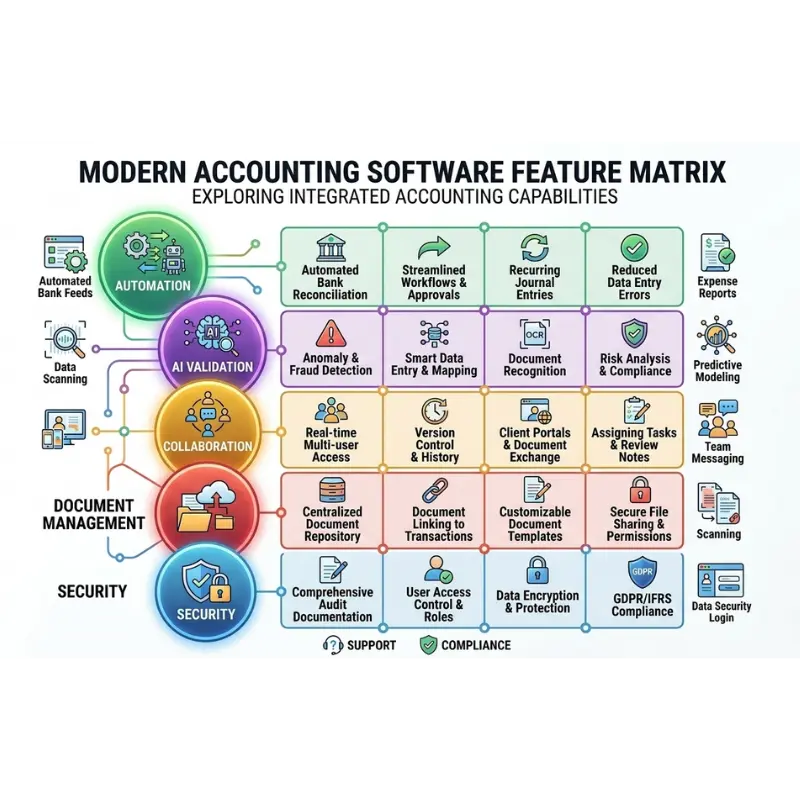
For firms looking to adopt modern working papers software, platforms such as Papercare Working Papers are designed specifically for the needs of accounting professionals.
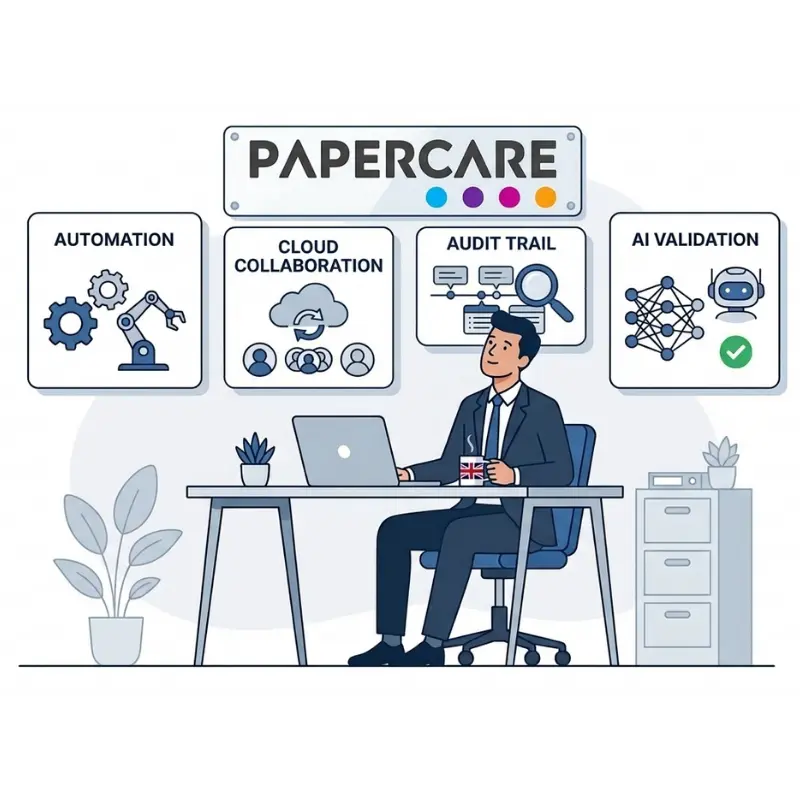
Papercare is an AI-powered, cloud-based working papers solution that helps firms streamline the preparation, review, and management of engagement documentation.
Instead of relying on spreadsheets and manual workflows, Papercare provides an intelligent system that structures working papers automatically, improves accuracy through AI-driven validation, and enables secure collaboration across accounting teams.
Key capabilities include:
- automated creation and organisation of working papers
- AI-based accuracy checks and data consistency validation
- real-time collaboration with role-based access control
- centralised storage of audit-ready documentation
- improved efficiency in review and approval workflows
By replacing spreadsheet-based processes with a modern digital platform, Papercare enables accounting firms to manage their documentation more efficiently while maintaining high standards of accuracy and compliance.
Final Thoughts
Working papers are a critical part of accounting and audit engagements, but the way they are managed is rapidly evolving.
As accounting firms increasingly adopt digital tools and automated workflows, specialised working papers software is becoming an essential component of modern accounting operations.
When evaluating solutions, firms should focus on features that improve documentation accuracy, streamline collaboration, and support efficient review processes.
By selecting the right working papers platform, accounting firms can significantly reduce administrative workload, enhance engagement quality, and position themselves for a more technology-driven future.
If your firm is still managing working papers through spreadsheets or manual processes, it may be worth exploring modern solutions that automate documentation and streamline engagement workflows.
Learn more about how Papercare Working Papers helps accounting firms prepare, review, and manage working papers more efficiently.
Visit www.papercare.ai to explore the platform.
FAQs
- What is working papers software?
Working papers software is a digital platform that helps accounting firms prepare, organise, review, and store engagement documentation in a structured and secure environment. - Why do accounting firms need working papers software?
Working papers software helps firms reduce manual documentation, improve collaboration, maintain audit-ready files, and streamline review workflows. - What features should Accounting firms look for in working papers software?
Accounting firms should look for features such as automation, cloud collaboration, version control, AI-powered validation, secure document storage, and structured review workflows.